About increasing the value of a property through tailor-made furnishings
In the beginning was space.
From the neighborhood to the building to the interior design. Everything is interconnected. A high degree of flexibility and a clear vision and objective for the future use of a property are necessary for successful marketing and high acceptance of the spaces among users.
Image: Hugo Erfurth, Public domain, via Wikimedia Commons
Pioneer for flexible spaces: Ludwig Mies van der Rohe
„I have always enjoyed having large spaces where I could do whatever I wanted, and I often discussed this with Hugo Hering, who wanted to realize this “form of performance,” as he put it. I said, ‚Come on, make the space big enough so you can run back and forth in it, not just in a predetermined movement, or how you thought it should be used. We don’t even know if people will use it the way we want them to. First of all, the functions are not clear, and secondly, they are not consistent. They change much faster than the building.“
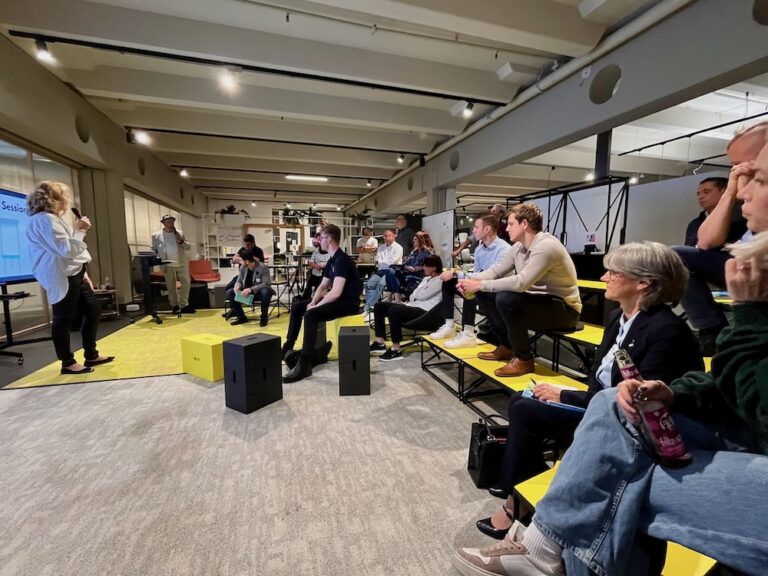
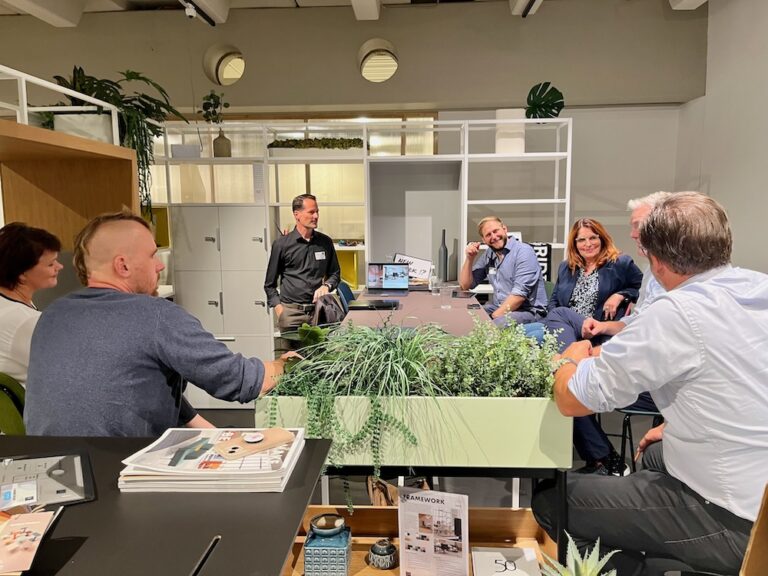
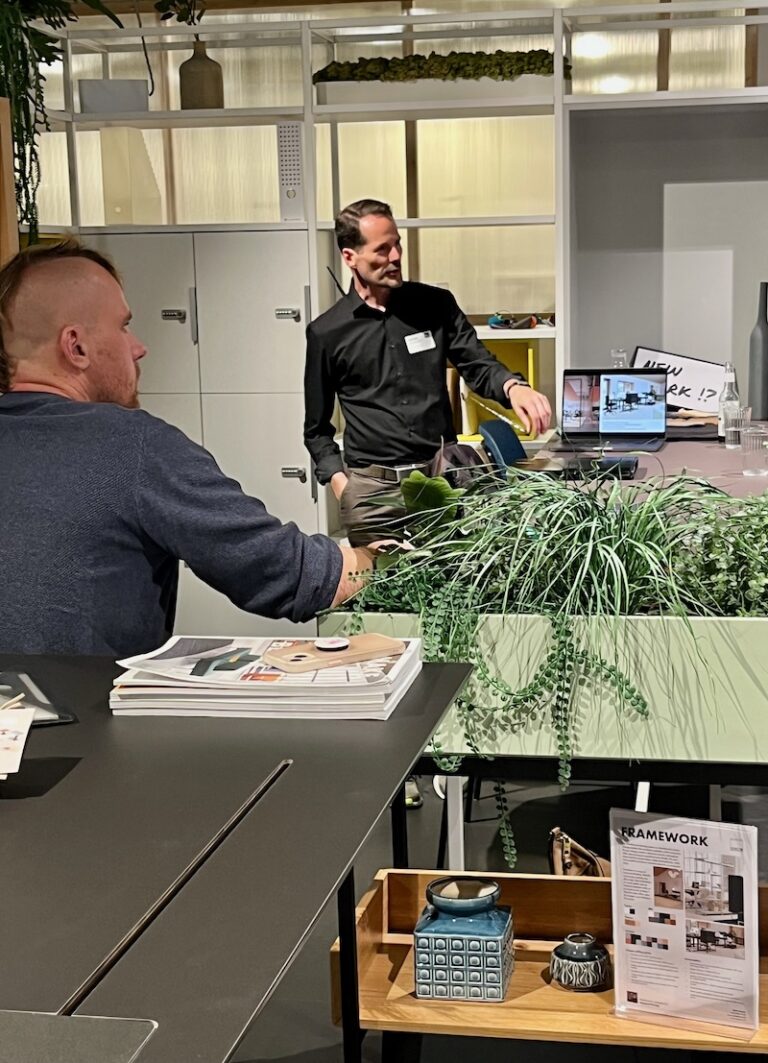
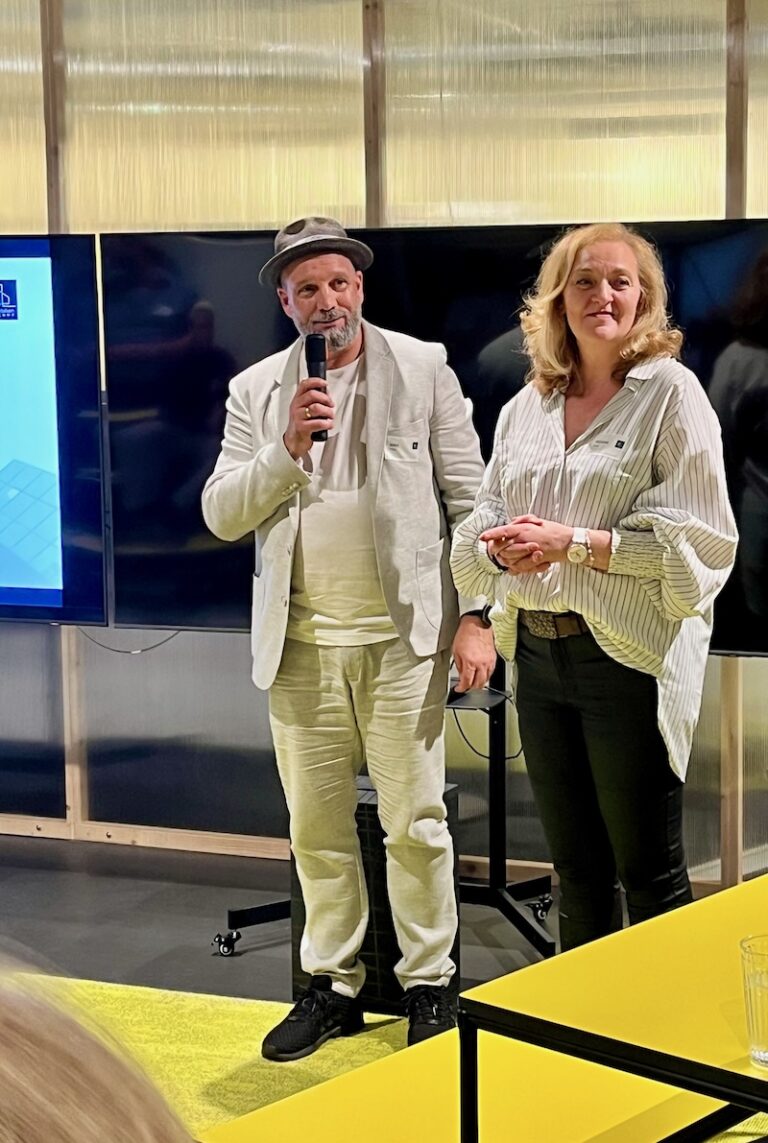
Ludwig Mies van der Rohe’s quote on planning large and flexible spaces from an interview with Bauwelt magazine in 1964 provided the starting point for food for thought and a joint discussion at the 2nd Real Estate Barcamp in Berlin on the importance of flexible and well-designed spaces for investors and users of new space. After this open introduction, prepared by Andre Flinterhoff together with office furniture manufacturer Dencon, the participants actively contributed, exchanged arguments, and shared their valuable experience and knowledge with the group.
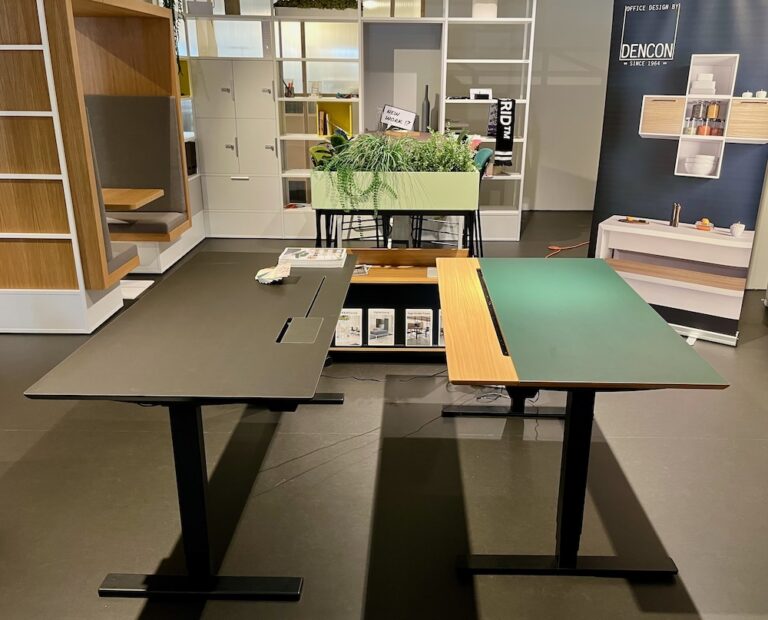
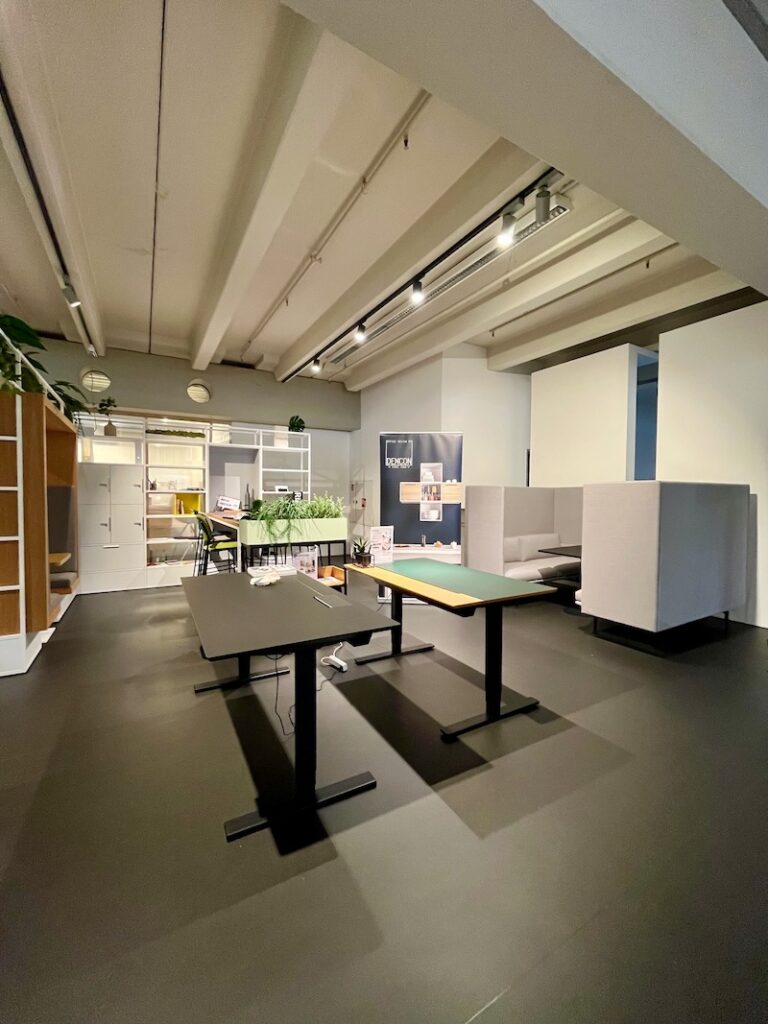
For example, there was much discussion about the current and future usability of existing buildings for New Work spaces and the customized activity-based planning approach for offices. André Flinterhoff reported from his own experience as head of the construction department of a large company that entire office buildings from the 1980s are unsuitable for New Work environments, even with the most sophisticated planning, and will therefore significantly decrease in value in the future because they lack the necessary room depth. It is no coincidence that old industrial halls are now being rediscovered en masse as prime locations for New Work. The participants discussed the need for tailor-made, ergonomic, and team-oriented office space, but also the failures of New Work office space that had not been aligned with the specific requirements of users in advance and did not function properly.
Choosing the right furnishings also plays a major role. Flexible furniture concepts can be better adapted to changing uses and are therefore more durable than fixed furniture, which may even be specially adapted to the architecture of the building.
In this highly concentrated and engaging 45-minute session, each participant was able to broaden their horizons and, at the same time, make new and interesting contacts for future collaborations. The Barcamp format, with its wide range of topics and structure designed for active participation, is ideal for this type of productive and stimulating exchange of knowledge at a high level.
Archicon ist ein Spezialistenteam für Vertriebs-, und Marketing Performance („Architectural Intelligence“) für nationale und internationale Brands der Möbel- und -Bauproduktewelt. Wir kommen aus der Industrie, haben Wurzeln in der Hochbauarchitektur und sind bestens vernetzt mit Entscheidern in zahlreichen namhaften Unternehmen, Architekturbüros und Verbänden. Wir verfügen über außergewöhnliche Expertise, im Vertrieb, im Marketing bis hin zum Baumanagement, und vertreten Möbel- und Bauproduktehersteller in ausgewählten Vertriebsgebieten in Deutschland. Erfolgreiche Projektergebnisse in und mit renommiertesten Unternehmen der Baubranche zeichnen unseren beruflichen Werdegang, und diese Expertise stellen wir Ihnen zur Verfügung.
Archicon is a team of specialists for sales and marketing performance („Architectural Intelligence“) in the furniture and construction business for manufacture brands. We come from the industry, have roots in architecture management and are networked with decision makers in numerous well-known companies, architectural firms and associations. We have exceptional expertise, in sales, marketing as well as construction management and represent some excklusive brands in defined sales regions in Germany. Successful project results in and with the most renowned companies in the construction industry characterize our professional career, and we put this expertise at your disposal.